Leo Construction and Development LLC

Services
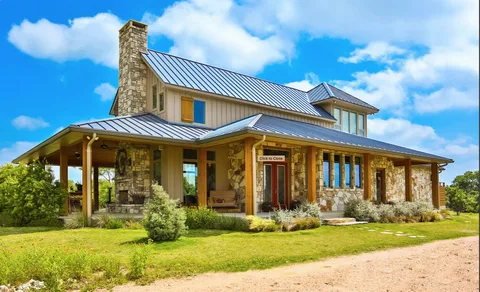
Design Build Custom Homes
Design-build custom homes begin with a deeply collaborative, planning process in which every detail is aligned with the homeowner’s lifestyle, long-term goals, and expectations for Performance. This approach allows us to function as a trusted custom home builder in Southeastern NC, shaping the early design to include structural considerations, mechanical strategies, insulation assemblies, envelope performance, and overall flow. Every layer is planned with purpose so the home functions efficiently, supports long-term comfort, and reflects the owner’s vision. This foundation creates a smooth path for construction while ensuring the property performs well in both form and function.
As the build progresses, craftsmanship, precision, and transparent communication guide each phase of new home construction near NC. Specialized trade partners collaborate closely to ensure each system is properly integrated, detailed, and sealed, achieving high Performance throughout the life of the home. Building science is applied throughout construction, evaluating how assemblies, materials, and mechanical components interact as a complete system. Clients remain informed at every milestone, gaining confidence in how each decision contributes to the home’s durability and quality. The result is a beautifully engineered, comfortable, and enduring custom residence.
- Personalized design that reflects client needs
- Building science used for higher Performance
- Unified design and construction for smoother delivery
- High-quality workmanship with precise system coordination
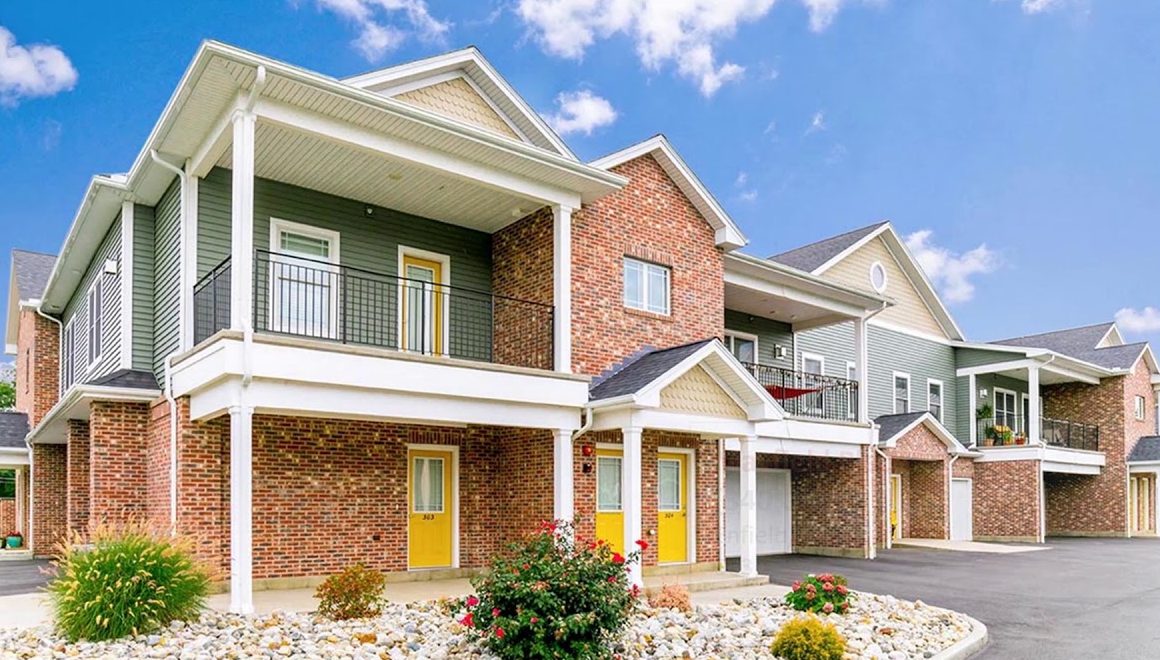
Multifamily Residential Projects
Multifamily residential projects require a strategic approach that balances structural planning, energy performance, long-term resilience, and resident comfort. Our experience as a multifamily construction contractor in NC enables us to integrate advanced building science into every phase, ensuring the structure maintains stable temperatures, healthy air circulation, and reduced energy loads. Every assembly is evaluated for durability and long-term Performance, ensuring the building supports comfortable living for every resident while reducing maintenance needs for the owner. This thoughtful planning results in communities that feel well-built, healthy, and intentionally designed for daily use.
The complexity of these projects demands exceptional coordination among trades, engineers, and field teams, akin to the precision required of an apartment building contractor in NC. Detailed scheduling, cost management, and performance reviews ensure each unit meets strict safety and functionality standards. Ventilation systems, insulation layers, mechanical routes, and envelope components are inspected carefully to confirm proper integration at every stage. This level of oversight results in multifamily buildings that are efficient, reliable, and capable of delivering long-term value to both residents and property owners.
- Durable construction designed for long-term use
- Improved indoor comfort and air quality
- Efficient building envelopes that reduce energy loads
- Careful coordination across all units and trades

PHIUS Passive Homes
PHIUS Passive Homes represent one of the most advanced forms of high-performance building, where airtight assemblies, continuous insulation, and balanced ventilation work together to create exceptionally stable and comfortable interiors. As a passive home builder in North Carolina, we design each home to naturally regulate heat, moisture, and airflow, reducing the need for heavy mechanical systems. Every component is intentionally selected and engineered to ensure the home maintains consistent comfort in all seasons with minimal energy use. This approach results in healthier indoor environments and remarkably low operational costs.
The construction of these homes requires consistency, expertise, and flawless detailing. Through Phius-certified home construction NC, high-performance windows are installed to manage solar gain, ventilation systems recover heat and stabilize humidity, and the envelope is built with precision to eliminate cold spots and drafts. This creates a home that feels quiet, resilient, and exceptionally durable. Passive construction provides long-term benefits not only in efficiency but also in reduced maintenance needs and greater structural stability.
- Superior airtight construction
- Continuous insulation that improves efficiency
- Balanced ventilation for cleaner indoor air
- Reduced long-term energy costs
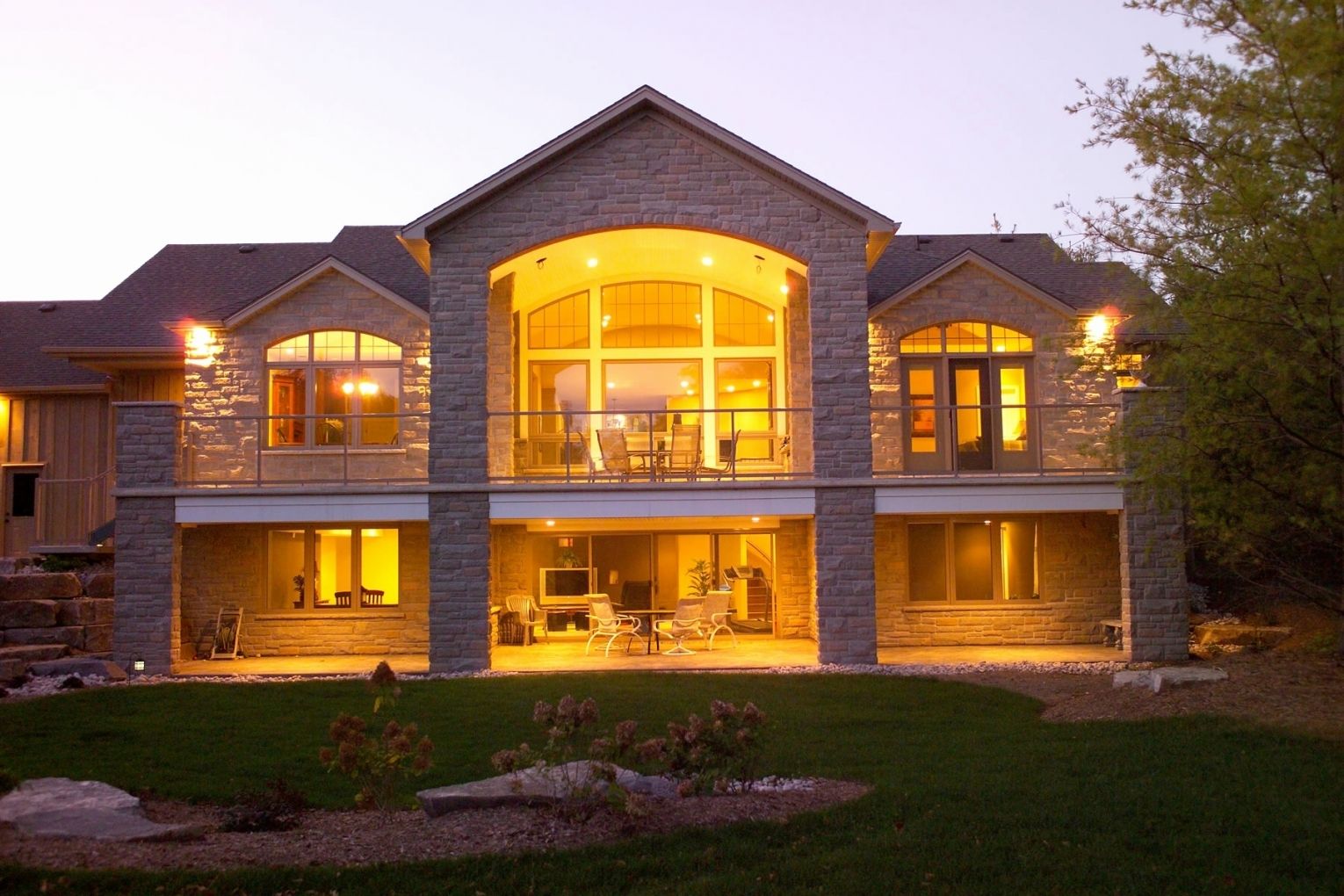
Commercial Upfits
Commercial upfits require thoughtful planning to transform existing interiors into functional, efficient, and modern business spaces. As a commercial upfit contractor in NC, we begin by understanding how the space must support daily operations, workflow, customer experience, and long-term business goals. Improvements to lighting, insulation, mechanical systems, airflow, and interior layout are guided by building science to deliver enhanced comfort and Performance. Every decision aims to produce a workspace that is both visually appealing and operationally effective.
During construction, careful coordination ensures upgrades occur smoothly and with minimal disruption to existing business activities. Our team manages scheduling, inspections, system integration, and code compliance while delivering tenant upfit services NC tailored to the organization’s needs. Each component is installed with precision to ensure durability, safety, and long-term functionality. Completed upfits elevate the environment for employees and customers while supporting greater efficiency and operational stability.
- Tailored solutions for specific business needs
- Improved comfort and building performance
- Efficient timelines with minimal disruption
- Durable upgrades that support heavy use
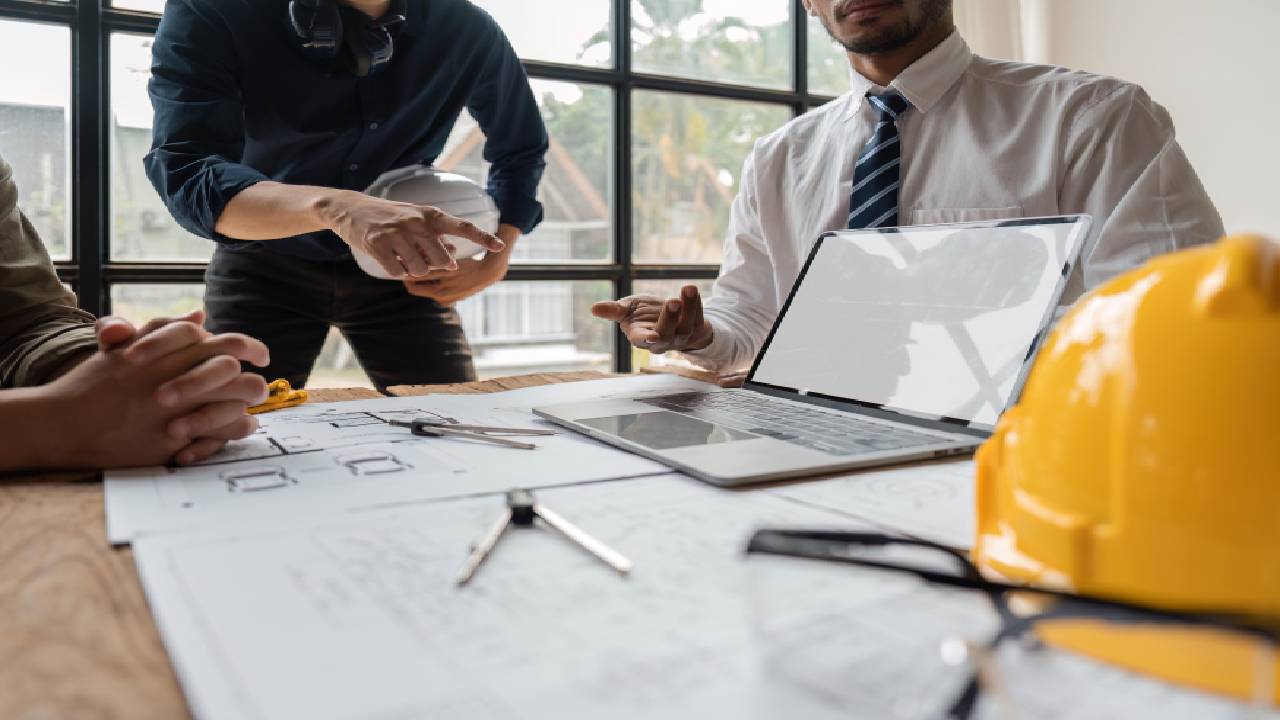
Construction Consulting
Construction consulting provides clients with professional guidance that enhances planning, decision-making, and overall project clarity. Through construction consulting in North Carolina, we help evaluate materials, refine design concepts, consider building science implications, and identify potential risks early. These insights allow clients to begin their projects with confidence, knowing that each element supports durability, comfort, and long-term functionality. Consulting brings clarity to complex decisions and ensures the project is grounded in performance-driven principles.
As the project progresses, we offer detailed reviews of budgets, timelines, structural requirements, and system performance. This high level of oversight plays an essential role in pre-construction planning in NC, where early coordination reduces the likelihood of costly changes and improves communication between all stakeholders. The result is a stronger project foundation, fewer surprises, and a smoother construction experience from start to finish.
- Expert analysis of plans and materials
- Reduced risk and improved project clarity
- Recommendations informed by building science
- More efficient and confident decision making
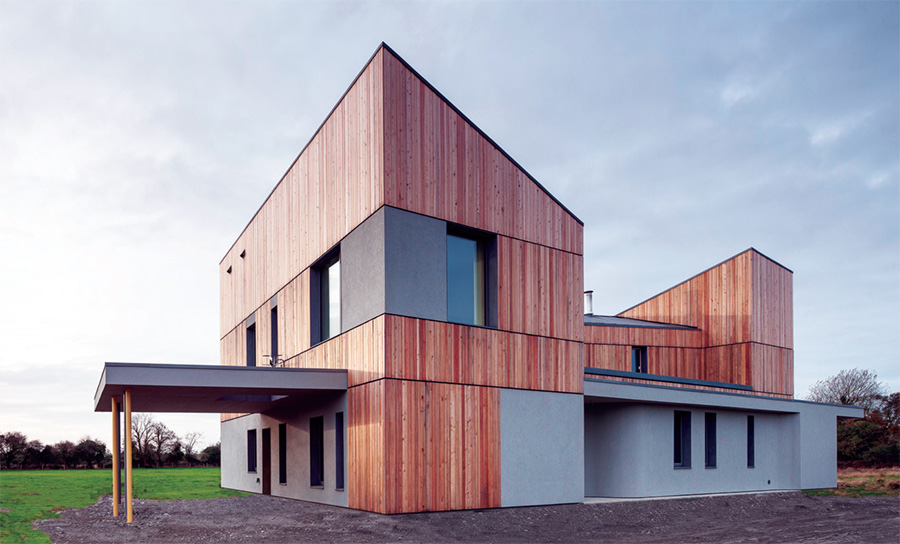
Passive Building Design and Construction
Passive building design focuses on understanding how heat, air, and moisture move through a structure and applying that knowledge to create homes that naturally regulate themselves. The building is treated as a single integrated system in which insulation, airtightness, ventilation, and solar control work together to deliver consistent comfort. This method reduces reliance on mechanical systems and enhances the home’s ability to maintain a stable interior environment. Homes built with passive principles feel quiet, resilient, and comfortable year-round.
Construction relies on the precise installation of continuous insulation, airtight detailing, high-performing windows, and balanced mechanical systems. Each component is selected to improve durability, reduce operational costs, and protect the structure from moisture and environmental stress. Passive buildings offer long-term resilience and significantly lower energy consumption, making them an excellent investment for performance-focused homeowners.
- Whole building systems that work together
- Airtight assemblies that improve efficiency
- Lower mechanical loads and energy demand
- Long-lasting durability through science-based methods
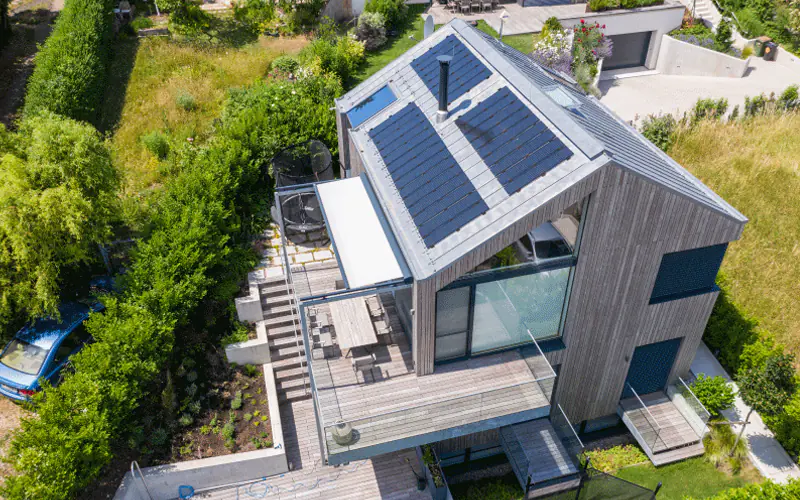
Energy Efficient Home Construction
Energy-efficient home construction focuses on designing buildings that use less energy while providing superior comfort and measurable cost savings. Through strategic use of insulation, air sealing, advanced mechanical systems, and thoughtful envelope design, these homes maintain consistent indoor temperatures with minimal energy input. They offer healthier indoor air, quieter environments, and reduced utility expenses, making them both eco-friendly and cost-effective.
During construction, each system is installed to work harmoniously with the building’s overall performance strategy. Heating, cooling, and ventilation are carefully balanced to meet the home’s unique needs, ensuring low energy consumption while maintaining high comfort. This approach produces homes that are environmentally responsible, comfortable, and built to serve families across changing climate conditions.
- Lower long-term utility costs
- Consistent indoor comfort and temperature stability
- Environmentally responsible construction practices
- Long-lasting and efficient home systems
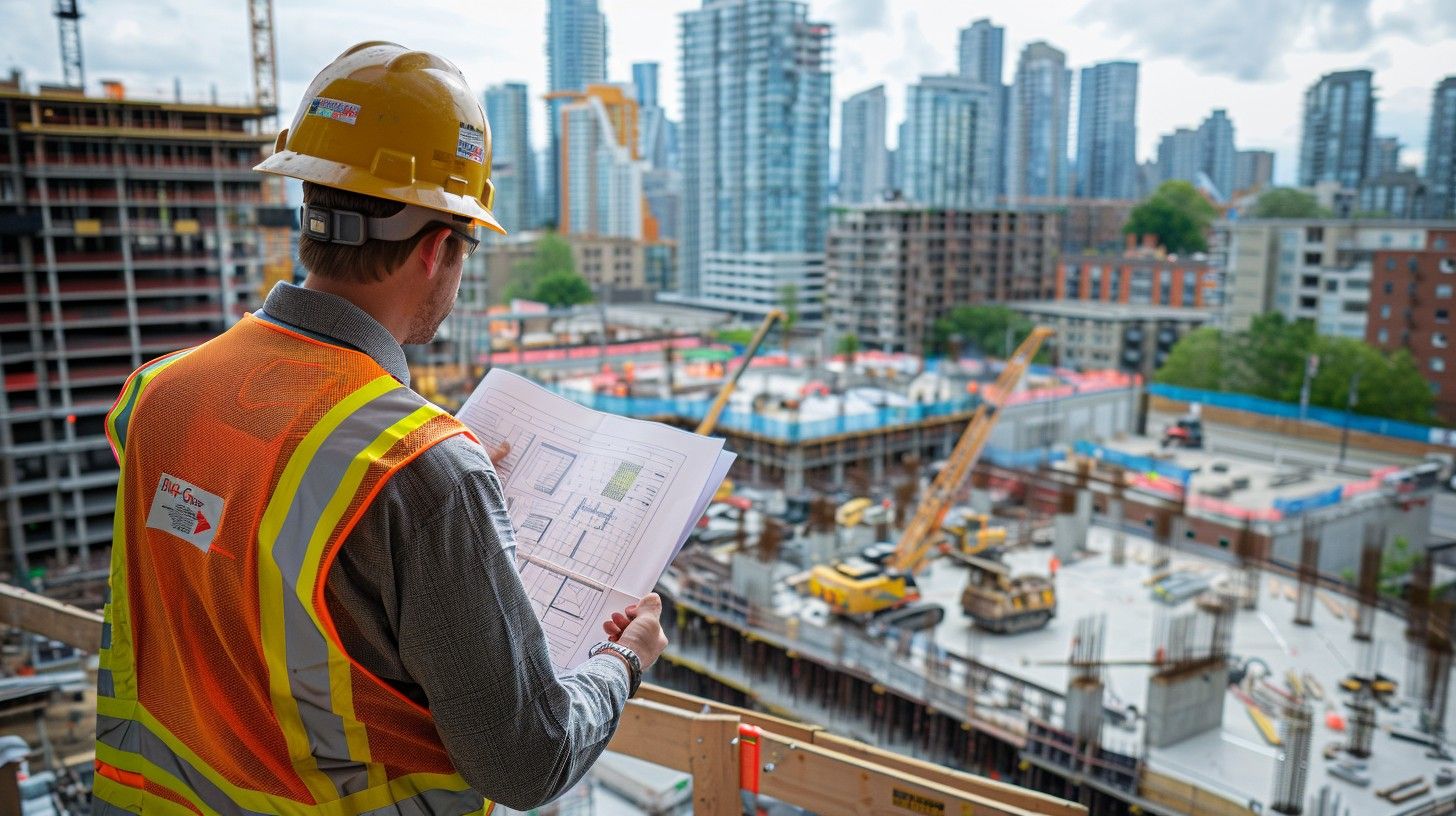
Building Science-Driven Construction Planning
Building science-driven planning ensures that every detail of the construction process is aligned with Performance, durability, and comfort. Instead of viewing components separately, this method studies how moisture, air, insulation, mechanical systems, and structural elements interact over time. This scientific foundation prevents issues such as mold growth, condensation, energy loss, and long-term structural damage before they occur, ensuring the project is built with longevity in mind.
This planning approach leads to more informed material choices, clearer communication, and improved construction workflows. Clients benefit from buildings that last longer, require fewer repairs, and provide stable comfort without unnecessary energy consumption. This advanced level of planning produces stronger, healthier, and more resilient homes.
- Smarter and more effective material selection
- Improved durability and long-term Performance
- Reduced risk of building failures
- Clearer planning and stronger project outcomes
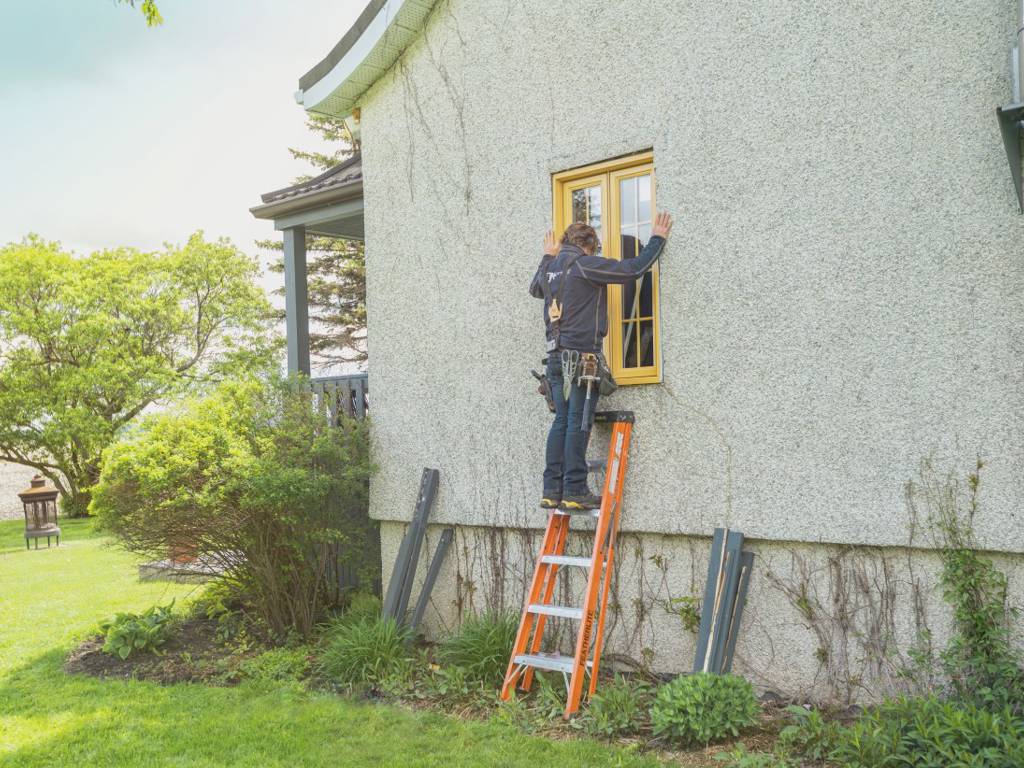
High Performance Window and Door Installation
High-performance windows and doors are essential components in maintaining energy efficiency, indoor comfort, and building durability. When installed correctly, these systems significantly reduce heat transfer, eliminate drafts, and effectively manage solar gain. Each window and door is chosen to complement the building’s design while supporting the overall Performance of the envelope. The result is a more stable interior environment that feels comfortable throughout the year.
Proper installation ensures airtight seals, moisture protection, and strong integration with the surrounding wall assembly. This prevents heat loss and protects the structure from water infiltration, contributing to long-lasting Performance. High-performance openings elevate both the aesthetic and functional quality of the home or commercial space.
- Optimized thermal Performance for comfort
- Reduced drafts and heat loss
- Moisture protection around openings
- Long-lasting window and door assemblies
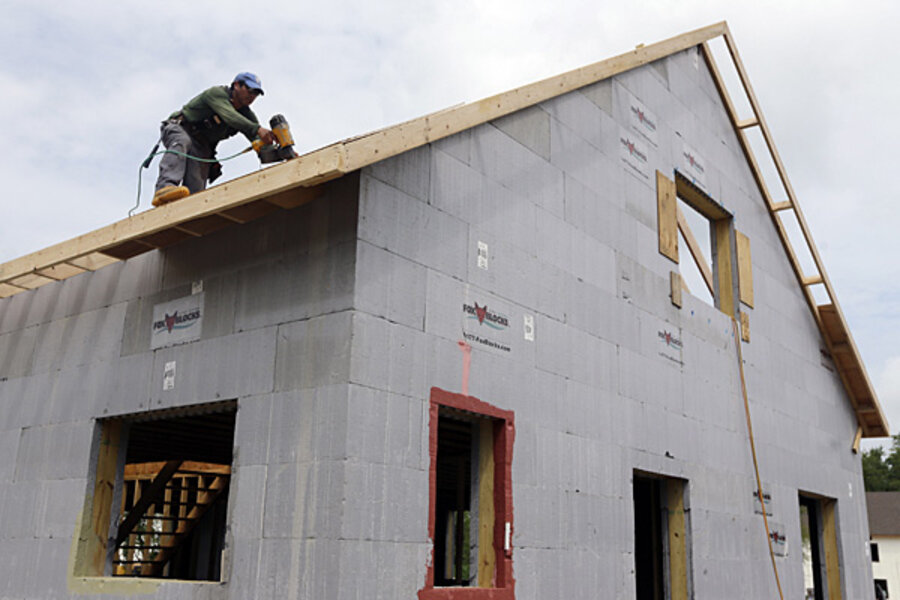
Airtight Building Envelope Construction
An airtight building envelope is one of the most important components of a high-performing structure, allowing the home to maintain consistent indoor comfort with far less energy loss. Airtight construction eliminates uncontrolled airflow, reduces drafts, and supports better temperature control in all seasons. Each seal, membrane, and connection point is installed with precision to ensure the envelope performs as a complete, unified barrier. This approach improves the building’s resilience while creating a healthier living environment that feels noticeably more stable and comfortable.
As the project progresses, every penetration, seam, and transition is examined carefully to ensure continuity throughout the envelope. Airtight construction also provides long-term protection against moisture intrusion, helping preserve wall assemblies and reducing potential maintenance issues. By integrating building science into each stage of installation, the structure becomes more efficient, quieter, and more durable. This elevated standard of Performance supports the home’s long-term comfort and value.
- Reduced air leakage for improved efficiency
- Lower energy consumption and operational costs
- Enhanced indoor comfort and stability
- Greater long-term durability of the building envelope
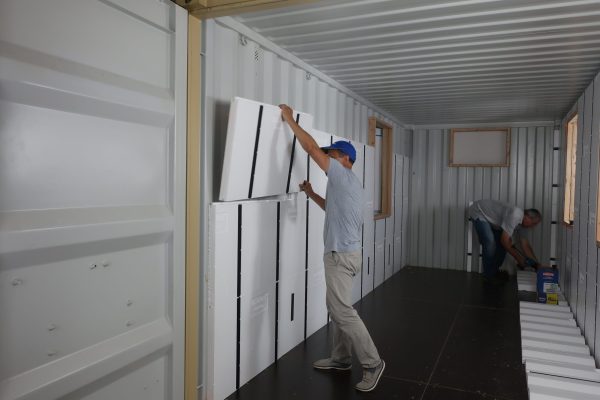
Continuous Insulation Installation
Continuous insulation wraps the structure in an uninterrupted thermal layer that eliminates thermal bridging and improves overall energy performance. This method ensures the home maintains more stable indoor temperatures, reducing the workload on heating and cooling systems. Each insulation panel is installed to function as a cohesive layer that enhances comfort, reduces heat transfer, and supports long-term efficiency. The result is a home that feels warmer in winter, cooler in summer, and consistently more comfortable throughout the year.
Proper installation requires attention to detail around corners, penetrations, windows, and doors to ensure the insulation performs as intended. When installed correctly, continuous insulation not only improves thermal Performance but also reduces condensation risk and increases building durability. This method is a key component in passive building and high-efficiency construction strategies, helping achieve superior performance targets with long-lasting benefits.
- Better temperature stability and comfort
- Reduced thermal bridging and heat loss
- Improved overall building performance
- Lower heating and cooling demand
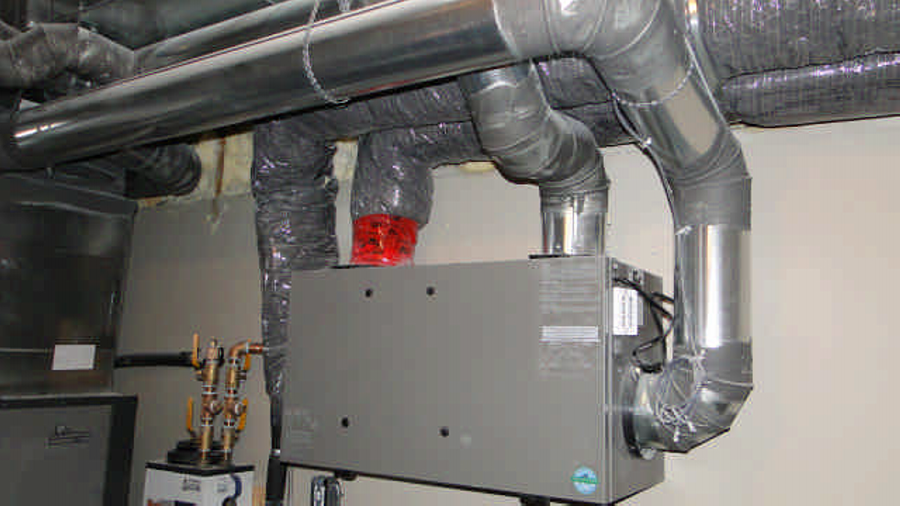
Balanced Heat and Moisture Recovery Ventilation Systems
Balanced heat and moisture recovery ventilation systems play an essential role in maintaining healthy indoor environments within airtight or high-efficiency buildings. These systems continuously supply fresh, filtered outdoor air while capturing heat and moisture from outgoing indoor air. This process maintains comfortable humidity levels and stable temperatures without wasting energy. By removing stale air and pollutants, they create a cleaner, healthier atmosphere that benefits long-term occupant well-being.
When integrated into a well-built envelope, these systems support proper airflow and protect the home from moisture-related issues. They help regulate humidity levels year-round, reducing the likelihood of mold or condensation. Balanced ventilation is a fundamental part of high-performance construction and an essential element for maintaining indoor comfort, especially in passive homes where airtightness requires controlled ventilation strategies.
- Clean and filtered indoor air
- Stable humidity and balanced comfort
- Reduced energy loss through heat recovery
- Healthier long-term living environment
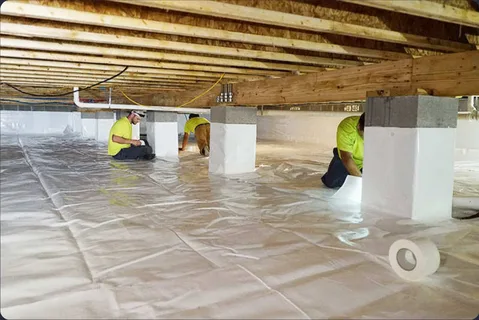
Thermal, Air, Radiation, and Moisture Control Management
Managing thermal, air, radiation, and moisture control layers is critical for a building’s durability and long-term health. Each layer plays a specific role in maintaining indoor comfort, reducing energy use, and protecting the structure from environmental stress. When these systems are designed together, they prevent common problems such as drafts, condensation, overheating, and moisture accumulation. This integrated approach ensures the building performs consistently across seasonal changes and remains resilient for years.
Proper control layer management creates predictable, stable indoor environments with fewer fluctuations in temperature and humidity. It also minimizes the risk of mold growth, material degradation, and heat loss. Buildings constructed with a clear understanding of these principles are more efficient, longer lasting, and significantly more comfortable. This approach reflects the highest standard of building science and contributes directly to long-term performance.
- Protection against moisture-related issues
- Better temperature control throughout the home
- Reduced energy use and environmental impact
- Improved long-term structural durability
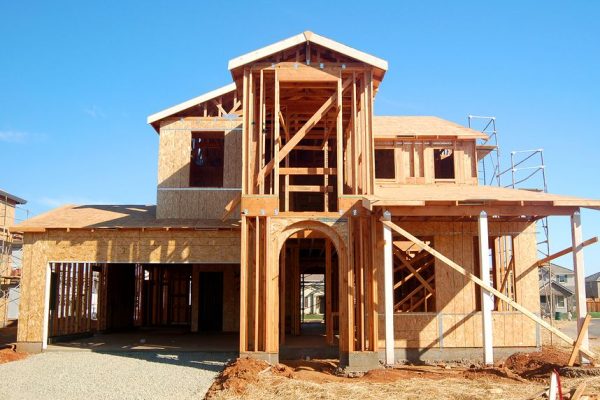
Custom Home Design and Engineering Support
Custom home design and engineering support help transform client ideas into buildable, scientifically sound plans that achieve long-term comfort, durability, and efficiency. Every design is reviewed through the lens of building science to ensure insulation, structural loads, mechanical systems, and envelope performance all work together. This early planning provides clarity, reduces risk, and establishes a strong foundation for the construction process. It helps homeowners understand how each design decision contributes to the overall functionality and quality of the home.
Collaboration between engineers, designers, and builders ensures that drawings translate into predictable, high-performing results on site. By refining details, selecting appropriate materials, and planning system integration early, the project becomes more efficient and easier to execute. This results in a home that is visually appealing, structurally sound, and engineered for long-term value. Each detail is chosen intentionally to support comfort and durability for years to come.
- Tailored design solutions for unique lifestyles
- Engineering aligned with Performance and safety
- Improved construction efficiency and coordination
- Reliable plans ready for successful building
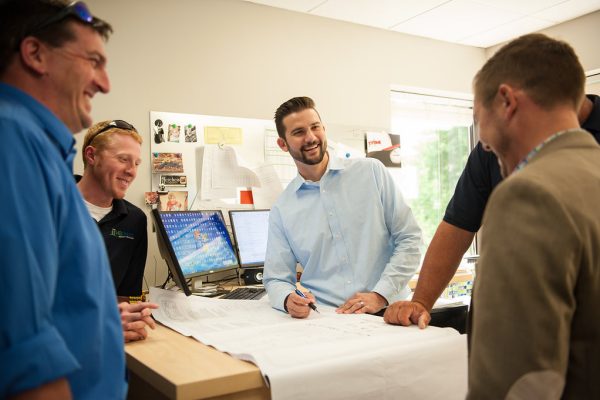
Project Management and Superintendent Oversight
Project management provides essential structure, communication, and organization to guide construction from the earliest stages through project completion. Professional oversight ensures scheduling, budgeting, and workflow are aligned to keep the project moving efficiently. This reduces delays, minimizes confusion, and improves the client’s experience. Strong management also enhances collaboration among trades and suppliers, ensuring each component is completed consistently and with care.
Superintendent oversight strengthens this process by monitoring on-site activity daily. This includes verifying material quality, confirming installation accuracy, and ensuring safety compliance across the job site. Skilled supervision ensures the project reflects design intent, performance standards, and best practices. Together, project management and superintendent oversight create predictable outcomes, smoother construction, and long-lasting results.
- Organized scheduling and communication
- Strong on-site quality control
- Safe and efficient work environments
- Reliable results from start to finish

Residential and Commercial Estimating and Design Support
Residential and commercial estimating provides clients with precise cost expectations that guide financial planning and protect against unexpected expenses. Each estimate evaluates materials, labor requirements, envelope strategies, mechanical systems, and performance standards to ensure the budget aligns with the project goals. This clarity supports better planning and prevents costly revisions later in the construction process. Clients gain confidence knowing their investment is grounded in realistic expectations and accurate calculations.
Design support strengthens this process by reviewing architectural drawings through a building science lens. Every detail, from wall assemblies to mechanical layouts, is evaluated for constructability, efficiency, and long-term Performance. This early analysis ensures the home or commercial structure is durable, healthy, and aligned with modern building standards. The combination of accurate estimating and informed design review improves project outcomes and supports smoother construction.
- Clear and reliable budgeting information
- Improved planning and informed decision making
- Designs optimized for Performance and constructability
- Reduced risk of unexpected problems during construction
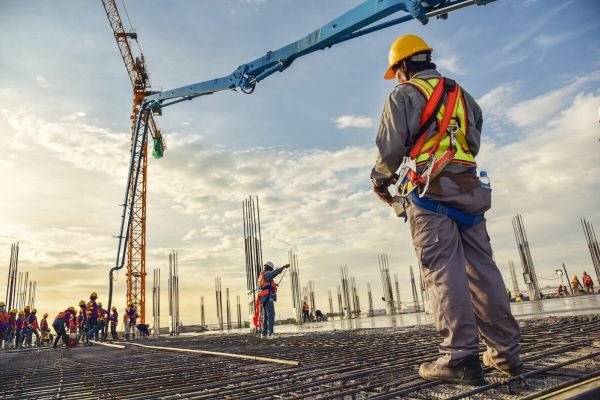
Government Building Contracting Work
Government building contracting requires exceptional attention to detail, adherence to strict protocols, and consistent Performance under regulated conditions. Work performed in secure federal environments must meet elevated standards for safety, durability, and compliance. Every component is evaluated for long-term reliability to ensure the building continues functioning under demanding conditions. This level of precision ensures installations support critical operations while meeting all regulatory requirements.
Experience in government facilities enables our team to manage complex documentation, follow required procedures, and execute work professionally. These projects demand strong coordination, technical skill, and a deep understanding of secure environments. The result is dependable, high-performing building systems that support mission-critical functions and remain stable over time.
- Experience in secure federal environments
- Strict adherence to government standards
- High precision installation work
- Reliable performance for mission-critical facilities